

Cost - Effective Bulk Ordering: How to Reduce Costs Without Sacrificing Quality
In the competitive business landscape, optimizing costs for bulk orders while upholding product quality is a top priority for many organizations. Whether you’re in manufacturing, retail, or any industry that relies on bulk purchasing, finding the right balance between cost - savings and quality can seem challenging. However, with strategic approaches, it’s entirely achievable. Let’s dive into effective ways to reduce costs on bulk orders without significantly compromising product quality.
1. Strategic Supplier Negotiations
One of the most direct ways to cut costs on bulk orders is through effective supplier negotiations. Long - Term Partnerships: Establishing long - term relationships with suppliers can lead to better pricing, as they value the consistency of your business. Suppliers may be willing to offer volume discounts, extended payment terms, or even share cost - saving insights from their end of the supply chain. Bundle Deals and Customization: Instead of negotiating just the price of a single product, explore bundle deals that combine related items. Also, work with suppliers to customize products in a way that reduces costs (e.g., simplifying packaging without affecting product protection) while keeping the core quality intact.
2. Leverage Group Purchasing or Consolidation
Group Purchasing Organizations (GPOs): Joining a GPO allows your business to pool orders with other companies. This increased order volume gives you more negotiating power with suppliers, leading to lower per - unit costs. For example, small businesses in the same industry can band together to meet the minimum order quantities required for bulk discounts. Order Consolidation: If your business has multiple departments or locations that need similar products, consolidate their orders. This not only reduces administrative costs but also allows you to meet higher volume thresholds for better pricing from suppliers.
3. Optimize Production and Procurement Processes
Lean Manufacturing Principles: Apply lean manufacturing techniques to your production process (if applicable) to eliminate waste. This could mean reducing excess inventory, streamlining production workflows, or improving resource utilization. By doing so, you can lower production costs for bulk orders without compromising the quality of the end - product. Just - in - Time (JIT) Inventory: Implementing JIT inventory management ensures that you order only what you need, when you need it. This reduces holding costs associated with bulk inventory (like storage, insurance, and depreciation) while still allowing you to take advantage of bulk pricing for production - critical items.
4. Invest in Quality Control (QC) from the Start
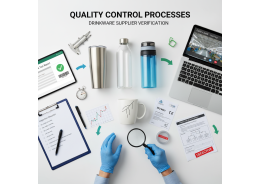
While it may seem counterintuitive, investing in robust quality control measures early in the bulk order process can save costs in the long run. Pre - Production Inspections: Conduct inspections at the supplier’s facility before production begins. This helps identify any potential issues with raw materials or production processes, preventing costly rework or product recalls later. Sampling and Testing: During production, take samples and test them against your quality standards. This proactive approach ensures that any deviations from quality are caught early, reducing the risk of having to discard large batches of sub - par products.
5. Optimize Logistics and Transportation
The cost of getting bulk orders from the supplier to your facility is a significant part of the overall cost. Freight Consolidation: Combine multiple shipments into one to reduce transportation costs. Work with logistics providers who offer volume - based discounts or can optimize routes for bulk deliveries. Mode of Transportation: Evaluate different transportation modes (e.g., sea, air, road) based on cost and delivery time. For non - urgent bulk orders, sea freight might be much cheaper than air freight, even if it takes longer.
6. Embrace Technology and Data Analytics
Modern technology can be a game - changer for cost - effective bulk ordering. Procurement Software: Use software to analyze your purchasing data, identify spending patterns, and find areas for cost reduction. These tools can also automate the ordering process, ensuring you order the right quantities at the right time. Data - Driven Forecasting: Leverage data analytics to forecast demand accurately. This helps you avoid over - ordering (which ties up capital and increases storage costs) or under - ordering (which can lead to missed sales or production delays). By predicting demand more accurately, you can optimize your bulk order quantities.
Conclusion
Reducing costs on bulk orders without compromising product quality requires a combination of strategic supplier relationships, process optimization, and data - driven decision - making. By implementing these strategies, businesses can achieve significant cost savings while still delivering high - quality products to their customers. Remember, the goal is not just to cut costs but to optimize value — and with the right approach, you can strike that perfect balance.



 English
 German
 French
 Russian
 Spanish
 Japanese
 Korean
 Khmer
Khmer Portuguese
 Ukrainian
 Arabic