

Factors That Influence the FOB Price Per Unit for Bulk Orders of 40oz Stainless Steel Tumblers and Plastic Water Bottles
When purchasing bulk orders of 40oz stainless steel tumblers or plastic water bottles, understanding the factors impacting the FOB price per unit is critical for optimizing your budget and ensuring a profitable deal. Below, we detail several key considerations:
1. Material Quality
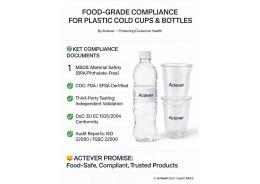
The type and quality of materials used significantly influence FOB pricing. Stainless steel tumblers made with durable, high-grade steel (such as 304 stainless steel) will generally cost more than lower-grade options. Similarly, plastic water bottles made from BPA-free, food-grade plastic will demand a higher price than generic plastic materials.
2. Order Volume
Bulk order volume plays a major role in determining FOB price. Larger orders often result in discounts due to economies of scale. Be sure to negotiate pricing terms based on your desired quantity to maximize cost savings.
3. Customization
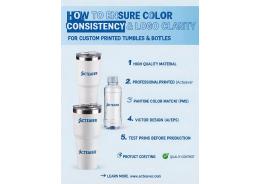
Custom features such as logos, unique colors, special coatings, or engraving can significantly increase the FOB price per unit. Manufacturers typically charge additional fees for design complexity and labor involved in personalization.
4. Manufacturing Origin
The country of origin affects pricing due to varying production costs. Countries with lower labor and operational costs, like China or Vietnam, often offer more competitive FOB prices compared to manufacturers in higher-cost regions like Europe or North America.
5. Packaging
Premium packaging options, including branded boxes, inserts, or eco-friendly materials, can drive up the unit price. Standard packaging is usually a more cost-effective solution for bulk orders.
6. Shipping Terms and Distance
FOB (Free On Board) pricing includes the cost of goods loaded onto a ship or aircraft at the manufacturer’s location. However, additional logistics costs such as transit distance, port fees, and shipping method (air vs. ocean freight) can indirectly affect the final FOB price.
7. Market Demand and Seasonality
High demand during peak seasons such as holidays or promotional campaigns can increase prices. Manufacturers may prioritize higher-paying clients during these periods, making bulk deals less advantageous.
8. Supplier Reputation and Certifications
Manufacturers with strong reputations or certifications (like ISO or FDA compliance) may charge higher prices for their reliability and quality assurance. Partnering with such suppliers often reduces risks associated with defective products or delays.
In conclusion, navigating the FOB pricing factors for bulk orders requires careful consideration of material quality, order volume, customization, origin, packaging, shipping terms, market demand, and supplier certifications. Armed with this knowledge, buyers can negotiate better deals and ensure cost-effective solutions for their business needs.



 English
 German
 French
 Russian
 Spanish
 Japanese
 Korean
 Khmer
Khmer Portuguese
 Ukrainian
 Arabic