

Main Cost Components in Wholesale Water Bottle Pricing: Materials, Labor, and More
When sourcing or manufacturing wholesale water bottles, understanding the key cost components is crucial for businesses to set competitive prices, optimize budgets, or negotiate better deals. From raw materials to labor, logistics to branding, multiple factors shape the final price of a wholesale water bottle. Let’s break down these components in detail.
1. Materials Cost: The Foundation of Water Bottle Pricing
The type and quality of materials used to produce water bottles are among the most significant cost drivers. Here’s how different materials impact costs:
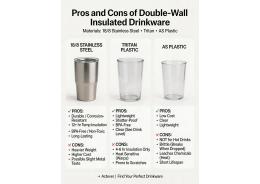
- Plastic (PET, PP, Tritan): Plastic bottles are popular for their affordability and lightweight design. PET (polyethylene terephthalate) is common for single - use or budget - friendly reusable bottles, while PP (polypropylene) and Tritan (a durable copolyester) cost more but offer better durability. The cost of plastic resin fluctuates with global petroleum prices, and thicker walls (for sturdiness) or specialized finishes (e.g., BPA - free, antimicrobial) add to material expenses.
- Stainless Steel: Stainless steel water bottles (especially insulated ones) command higher material costs due to the price of stainless steel sheets or coils. Insulated models (double - walled) require more steel and advanced manufacturing to prevent condensation, increasing both material and production costs.
- Glass: Glass bottles are heavier and more fragile, but they appeal to eco - conscious buyers. The cost of glass (soda - lime or borosilicate) and protective coatings (to prevent breakage) contributes to their price, along with higher shipping costs (due to weight and fragility).
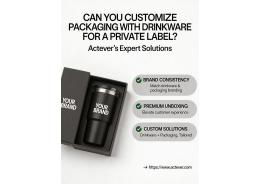
- Accessories & Components: Lids, seals (e.g., silicone gaskets), straws, and decorative elements (like printed logos, textured finishes) also add to material costs. High - quality, leak - proof lids or food - grade silicone parts are pricier but enhance the bottle’s value.
2. Labor Costs: Human Input in Production
Labor costs encompass wages for workers involved in every stage of production, from manufacturing to quality control:
- Manufacturing & Assembly: For plastic bottles, processes like injection molding or blow molding require skilled operators to manage machinery. Stainless steel bottles involve cutting, welding, and polishing—tasks that demand technical expertise. Assembly of components (attaching lids, adding straws) also adds labor hours.
- Quality Control (QC): Inspecting bottles for defects (e.g., uneven walls, leaks, finish flaws) ensures product quality but requires dedicated QC staff, adding to labor expenses.
- Regional Labor Rates: Labor costs vary drastically by location. Manufacturing in regions with lower labor costs (e.g., parts of Asia, Latin America) reduces expenses, while developed countries (e.g., USA, Western Europe) have higher wage requirements.
- Automation vs. Manual Labor: Automated production lines reduce labor costs over time but require heavy upfront investment in machinery. Smaller manufacturers or custom orders may rely more on manual labor, increasing costs per unit.
3. Manufacturing & Operational Overheads
Beyond direct materials and labor, several operational costs impact wholesale pricing:
A. Equipment & Facility Costs
- Machinery Depreciation: Molding machines, welding equipment, and assembly lines depreciate over time, and their cost is amortized across production volumes.
- Facility Expenses: Rent, utilities (electricity for machinery, water for cooling), and maintenance of production facilities add to overheads.
B. Logistics & Distribution
- Transportation: Shipping raw materials to the factory (e.g., plastic resin, steel sheets) and finished bottles to wholesalers involves freight costs (ocean, air, or ground shipping). Fuel prices, distance, and carrier fees influence this cost.
- Warehousing: Storing raw materials and finished goods in warehouses (either at the factory or with the wholesaler) incurs storage fees, especially for bulk orders.
C. Administrative & Marketing Costs
- Administrative Overheads: Office staff, software (for inventory, order management), and legal/accounting services contribute to administrative costs.
- Marketing & Sales: Promoting the water bottles (e.g., trade shows, online ads, sales commissions) adds to the overall cost, especially for branded products.
D. Tooling & Design Costs
- Mold Creation: Custom water bottle designs require new molds (for plastic or metal), which can cost thousands of dollars. The complexity of the design (e.g., unique shapes, embossed logos) increases mold costs.
- Design & Prototyping: Hiring designers to create bottle concepts or producing prototypes for testing adds to upfront costs, especially for premium or innovative designs.
4. Other Influential Factors
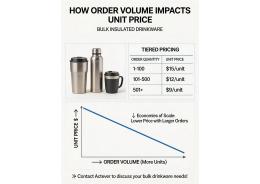
- Order Volume (Economies of Scale): Larger wholesale orders reduce the per - unit cost (materials, labor, and overheads are spread across more units). Smaller batches (e.g., custom orders with low quantities) increase costs due to underutilized capacity.
- Brand & Market Positioning: Premium brands (e.g., eco - friendly, luxury designs) charge more to cover higher material/design costs and brand equity. Budget - friendly brands focus on cost - cutting (e.g., cheaper materials, minimal design) to offer lower prices.
- Compliance & Certifications: Meeting safety (e.g., FDA approval for food contact) or environmental standards (e.g., BPA - free, recycled material certifications) requires testing and certification fees, which add to costs.
Conclusion: Balancing Costs for Competitive Pricing
Wholesale water bottle pricing is a complex interplay of materials, labor, overheads, and market factors. For businesses, analyzing these components helps identify cost - saving opportunities (e.g., optimizing material choices, negotiating better logistics rates) or justify pricing strategies. For buyers, understanding these costs empowers smarter negotiations and supplier selection. Whether you’re a manufacturer, wholesaler, or retailer, mastering these cost drivers is key to success in the water bottle market.

 English
 German
 French
 Russian
 Spanish
 Japanese
 Korean
 Khmer
Khmer Portuguese
 Ukrainian
 Arabic